

April_Robotic-Surgery-at-Pardee_Blog-Image_1920x750

What Does it Mean to Have Robotic Surgery?

Recognizing that undergoing surgery can be an anxious and overwhelming experience, UNC Health Pardee is committed to ensuring patients have high-quality care and positive outcomes.

The investment in four leading-edge robotic systems reflects UNC Health Pardee’s commitment to improving the lives of the communities we serve. For many, this means less travel, lower costs, and the comfort of recovering near family and friends.

“Robotic surgery allows our surgeons to perform minimally invasive procedures through small incisions and with extreme precision and dexterity,” said Dr. John Kogoy, general surgeon, Pardee Surgical Associates. “This translates into a better recovery experience for the patient and more consistent outcomes.

Robotic surgery can benefit the patient with:

  • Shorter hospital stays
  • Faster recovery times
  • Smaller incisions and less scarring
  • Lower risk of complications

The systems at Pardee include the da Vinci® Surgical System, Depuy™ VELYS™ Robotic-Assisted Solution, Globus ExcelsiusGPS™, and the Monarch™ Platform. Each bring an increased level of precision, safety, and recovery potential to different surgical specialties.

da Vinci® Surgical System

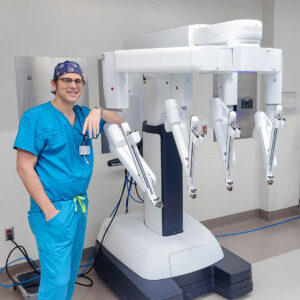
The da Vinci robot is widely used in gynecology, urology, colorectal, and general surgery. With tiny wristed instruments and a high-definition 3D camera, the system allows surgeons to operate with a range of motion and precision that exceeds the human hand. UNC Health Pardee is the first in the Western North Carolina region to use the most advanced 5.0 system.

Whether it’s removing uterine fibroids, repairing hernias, or performing prostate surgery, da Vinci offers a minimally invasive option for many procedures that traditionally required large incisions and longer recovery.

General surgeon Dr. John Kogoy with the daVinci robot

Depuy VELYS™ Robotic-Assisted Solution

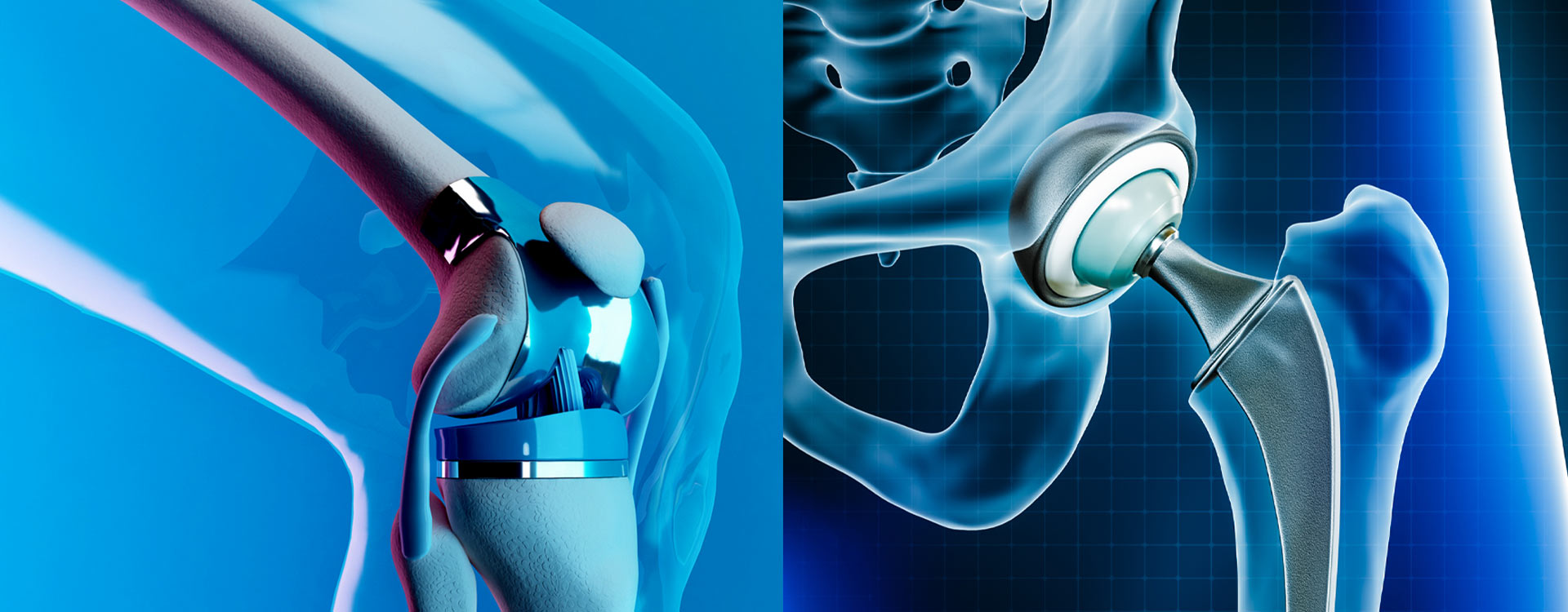
For patients facing knee replacement surgery, the Depuy VELYS system offers next-generation support. This robot works alongside orthopedic surgeons to ensure implants are placed with a level of alignment and balance that manual surgery can’t always guarantee.

This level of precision can mean better long-term function, increased mobility, and less pain after surgery. This helps patients return to work, hobbies, and daily activities sooner and with more confidence.

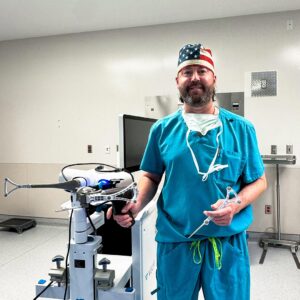
Orthopedic surgeon Dr. Nic Gay with the VELYS

Globus ExcelsiusGPS™

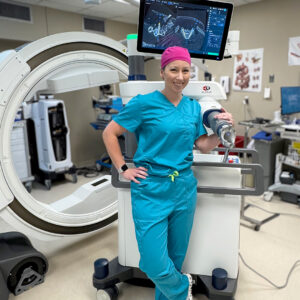
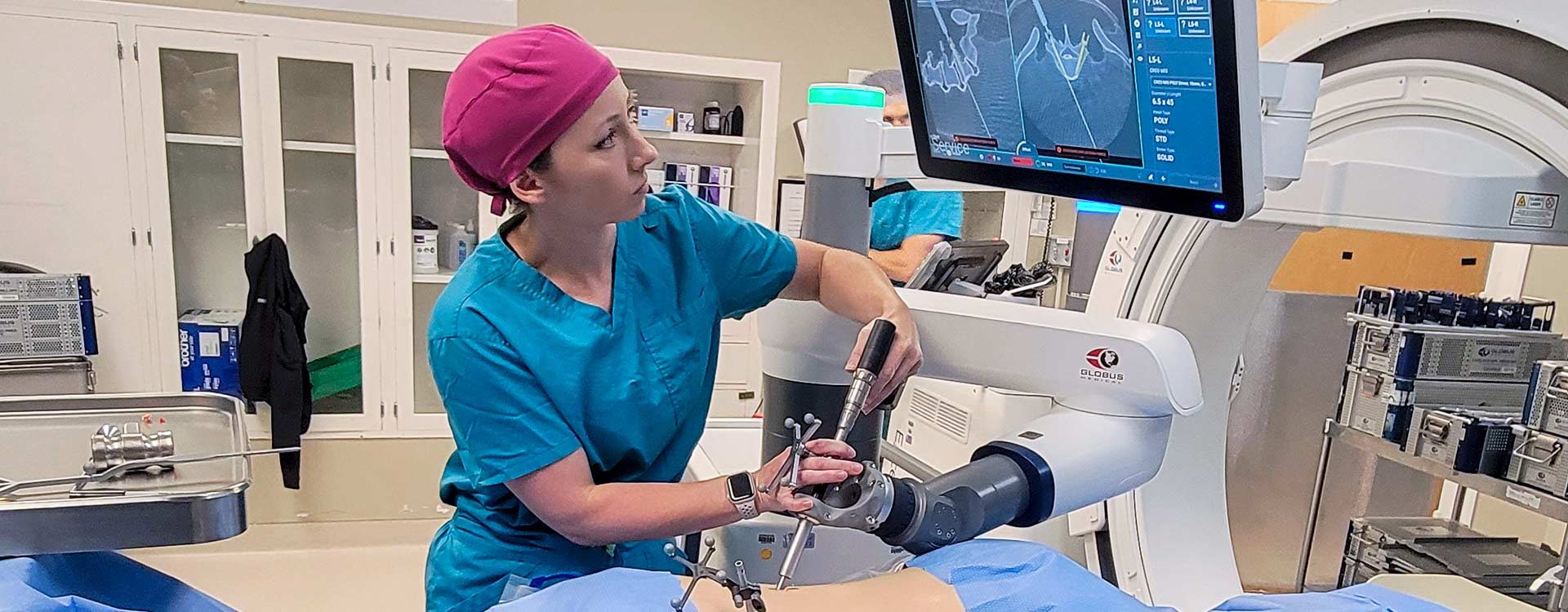
Spine surgery demands the highest levels of accuracy, and Pardee now meets that challenge with the Globus ExcelsiusGPS robotic system. Dr. Kelsey Walsh, a neurosurgeon with Pardee NeuroSpine Associates, uses this robot to perform neurosurgical spine procedures, allowing for precise navigation and placement of hardware, such as screws and rods, while minimizing damage to surrounding tissues.

“Using this robotic navigational system allows the surgical team to see a 3D model of the spine so that we can create a customized plan for each patient,” said Dr. Walsh. “This technology increases the accuracy and efficiency of hardware placement and less radiation exposure to the patient.”

For patients with spinal stenosis, fractures, or degenerative disc disease, robotic-assisted spine surgery can mean less blood loss, reduced operating time, and faster return to mobility.

(above) Neurosurgeon Dr. Kelsey Walsh with the Globus ExcelsiusGPS "spine robot"; (header) Dr. Walsh performs a demo exercise

Monarch™ Platform by Auris Health

Pardee is also enhancing its ability to detect lung cancer with the Monarch robotic bronchoscopy system. This advanced tool enables pulmonologists to target small nodules deep within the lung with exceptional accuracy, which is essential for early diagnosis and biopsy.

The earlier lung cancer is caught, the better the chances of survival. Monarch provides patients in our region with access to this life-saving technology, eliminating the need to travel to a larger metropolitan system.

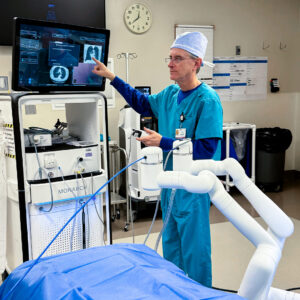
Pulmonologist Dr. Gary Rodberg with the Monarch

Benefits for Patients and Surgeons

While the technology is designed with patient care in mind, it also enhances the experience for Pardee’s surgical teams. The improved visibility, control, and ergonomics reduce surgeon fatigue and allow for more complex cases to be handled locally.

“For decades, we put every knee replacement in the same position, even though we know every patient is different. We simply didn’t have the technology to do it in a patient-specific way,” said Dr. Nic Gay, orthopedic surgeon, Pardee Orthopedics and Sports Medicine. “Now with Velys, we can measure every patient in the operating room and put the knee or hip replacement in a way that is specific to each patient. There is some evidence that this results in a more natural-feeling knee and better outcomes. I believe this is the way of the future.”


To learn more about robotic surgery at UNC Health Pardee, visit UNCHealthPardee.org.

Share
Tweet
Post

Recognizing that undergoing surgery can be an anxious and overwhelming experience, UNC Health Pardee is committed to ensuring patients have high-quality care …

As cancer continues to pose significant challenges across all age groups, recent trends highlight a concerning rise in cancer diagnoses among young …

Back pain can be debilitating when it comes to regular daily movement such as sitting at your desk, getting exercise, or simply …