Listening to Your Body is the First Step
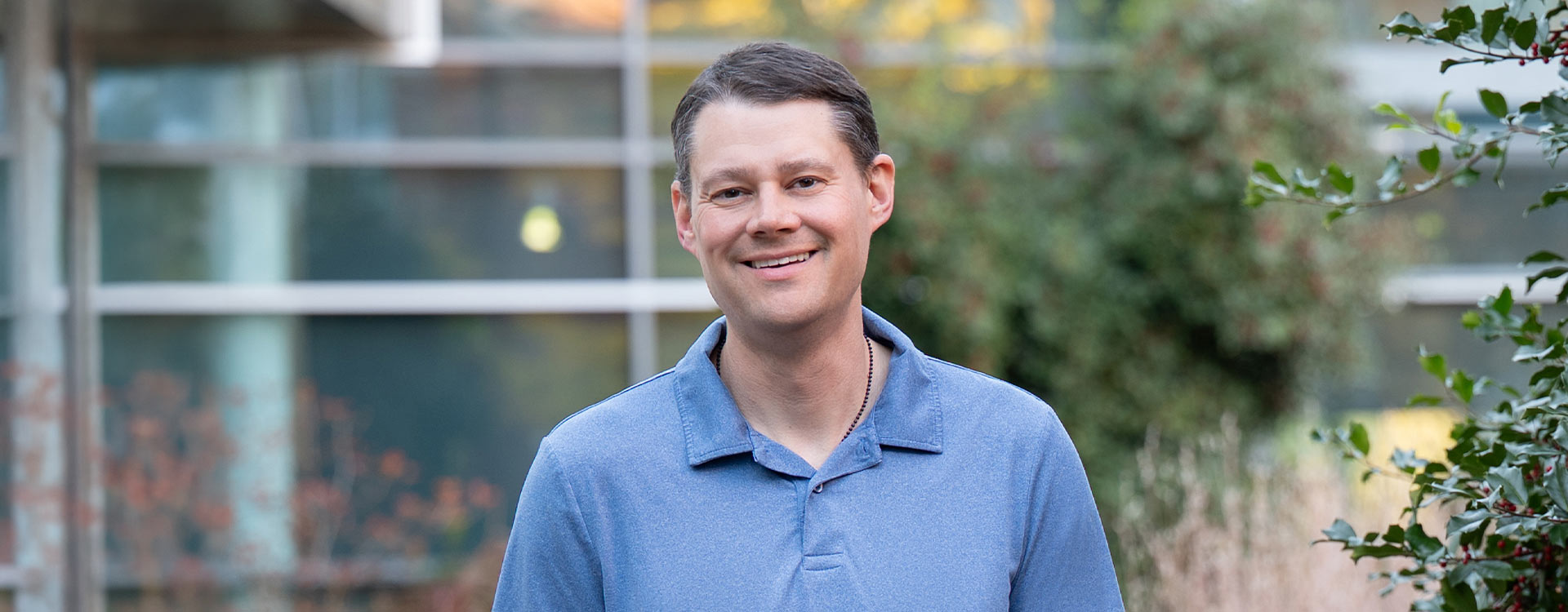
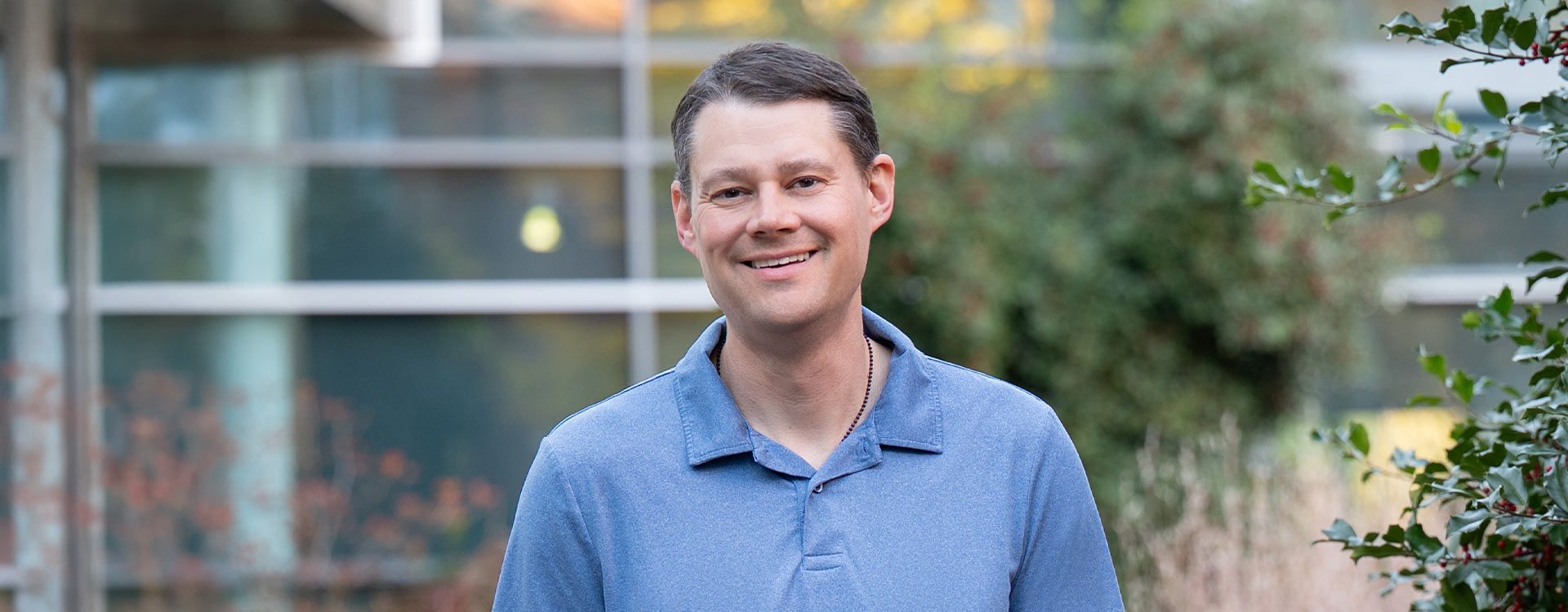
When Adam Bloomfield describes his life in early 2024, he paints the picture of someone who seemed to be the picture of health. He walked his dogs three miles every day, played pickleball, lifted weights, and embraced an active lifestyle. But underneath the surface, something wasn’t right.
It started as a nagging discomfort in his stomach – the kind of pain many people might dismiss or try to push through. At first, Adam did just that and assumed it would pass. Over-the-counter medications became his short-term fix, and he kept moving forward. But the pain never fully went away, and the medications were more of a band-aid than a solution.
Eventually, the discomfort became unbearable. Adam finally decided to go to the emergency room, where tests revealed what he had never expected and what none of us ever wants to hear – a cancer diagnosis. The doctors told Adam he had stage 2 colorectal cancer at just 42.
“I thought I was healthy and I was doing all the right things,” Adam reflected. “If we had waited longer, I might have been in much worse shape. Thankfully, we caught it when we did.”
The Importance of Listening to Your Body
Adam’s story underscores a lesson he wants to share with others: don’t ignore what your body is trying to tell you. While he wishes he had dealt with the pain sooner, he’s grateful the cancer was caught before it was too late.
Colorectal cancer has traditionally been associated with older adults, but cases like Adam’s highlight a troubling trend of early-onset cancer in patients aged 18 to 49. Early-onset colorectal cancer now accounts for about ten percent of all new colorectal cancer diagnoses in the U.S. and projections suggest that by 2030, the diagnosis in people under 50 will continue to climb sharply.
What makes colorectal cancer especially alarming is that younger patients often present with more advanced stage disease, which can make treatment more difficult. Symptoms are sometimes misattributed, dismissed, or ignored, leading to delays in diagnosis. Adam knows this fear well – but also knows what happens when one listens.
Adam stresses that paying attention to your body can mean the difference between a stage 1 and a stage 4 diagnosis. “Don’t be afraid,” he said. “If you can get something looked at early, it will be easier to deal with, and it will be less painful in the long run.”
Trust, Relationships, and the Value of Care
Behind Adam’s diagnosis and treatment is the dedicated team at Pardee Cancer Center, working in collaboration with specialists at Duke Health to ensure he receives the highest standard of care.
Pardee’s providers led his treatment planning locally while consulting with Duke oncologists and support teams. This partnership meant Adam had access to the latest treatment protocols without leaving his community, combining advanced expertise with the personal, close-to-home care that defines Pardee.
“Developing a relationship with a provider you can trust can be lifesaving,” said Dr. Navin Anthony, oncologist, Pardee Cancer Center. “Too often, patients ignore symptoms because they don’t want to ‘bother the doctor’ or they think it is nothing serious. But care works best when patients and providers are working together.”
Pardee’s Commitment to Healing and Research
The team at Pardee Cancer Center is not only dedicated to treating cancer but also to research and innovation that improve outcomes for patients like Adam.
Cancer research, access to the latest therapies and clinical trials, and an emphasis on caring for the whole person set Pardee apart. From precision medicine and evidence-based treatment plans to supportive services that help patients and families manage the emotional and physical challenges of cancer, Pardee is committed to helping each patient heal.
“Catching cancer early gives patients the best possible chance,” said Dr. Anthony. “But we also know that healing goes beyond treatment. It’s about resilience, hope, and the ongoing support that allows patients to move forward with their lives.”
Sharing His Story to Help Others
Adam has continued his treatment with courage and determination, but his focus extends beyond his own journey. He wants others to learn from his experience and take proactive steps in their own health.
He admits that waiting to seek help was partly about pride and partly about fear. “There’s this masculine energy,” he said, “where you think going to the hospital is a sign of weakness. But really, it’s a sign of strength to ask for help.”
Adam’s experience is a reminder that cancer doesn’t define a person’s story – but how one responds can inspire others. His journey is filled with courage, honesty, and a desire to make a difference for the next person who might hesitate before asking for help.
“I just want people to know,” he said, “don’t wait. Don’t be afraid. Getting help early could save your life.”
—-
Ask your primary care provider about scheduling a colon cancer screening. Need a provider? Find one near you at PardeeBlueMD.com.
For more information about Pardee Cancer Center, visit pardeehospital.org or call (828) 694-4300.