Back pain can be debilitating when it comes to regular daily movement such as sitting at your desk, getting exercise, or simply doing the activities that you love. That’s when a spinal neurosurgeon, or a physician specializing in “neurospine,” can help you get moving again.
It’s not always about surgery; the spinal neurosurgeons at Pardee take a conservative approach to consider all the options for providing relief and treatment.
What Is NeuroSpine?
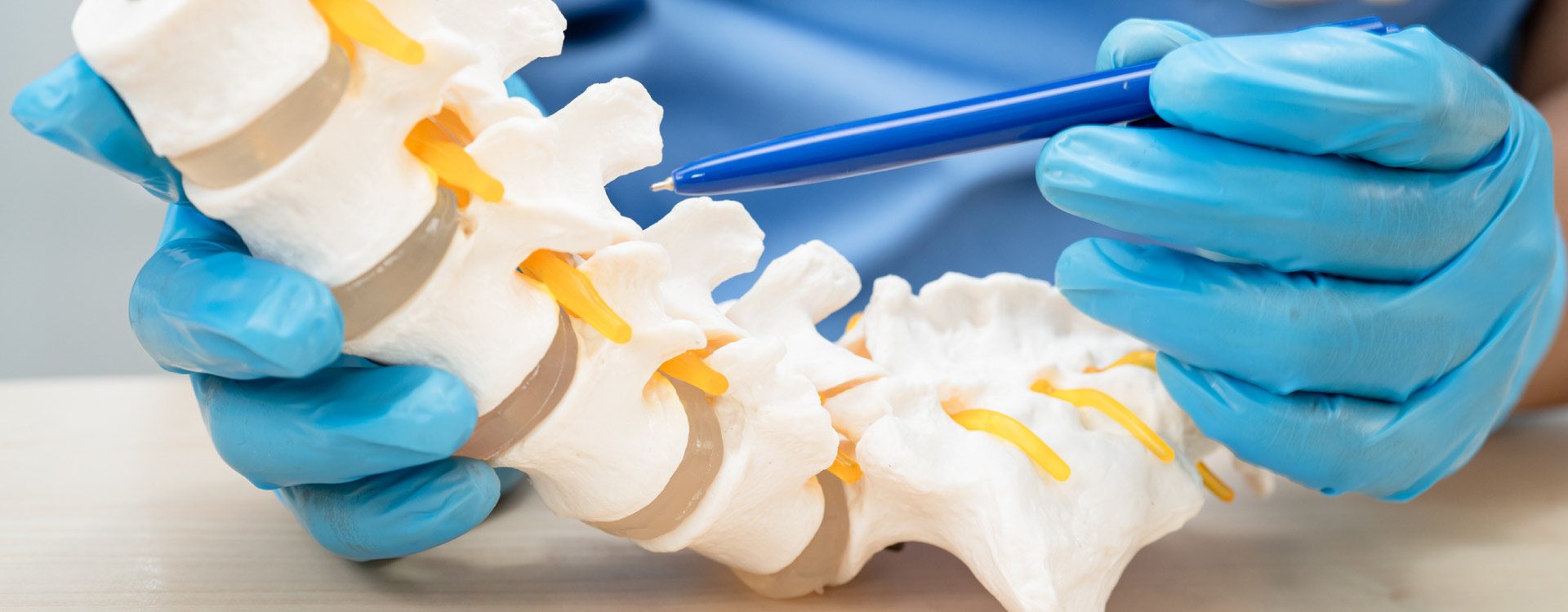
Neurospine is where intricate nerve care meets mechanical spine care. It is a specialized focus within neurosurgery that treats conditions affecting the spine, spinal cord, and spinal nerves.
Within the field of neurosurgery, spine care makes up the majority of cases. Roughly 80 percent of all neurosurgery involves the spine or spinal nerves.
Neurospine bridges two key aspects of care: how your nerves and spinal cord communicate with your body (neurologic function) and how the spine supports your movement and posture (structural stability). It is a blend of diagnosing and treating neurologic symptoms (like pain, numbness, or weakness from nerve compression) and stabilizing the spine to prevent further injury or dysfunction.
What’s the Difference Between Neurosurgeon and Orthopedic Surgeon?
Spinal neurosurgeons treat everything from herniated discs and nerve compression to spinal cord tumors and fractures. Although both orthopedic surgeons and neurosurgeons manage spine conditions, neurosurgeons bring unique training in the nervous system, making them especially skilled in managing nerve-related disorders and delicate spinal structures.
Neurosurgeons are trained extensively in the entire neuroanatomical system, from the brain down through the spinal cord and spinal nerves to the peripheral nerves. Our focus is on the nervous system and how to protect, decompress, or repair it.
Orthopedic surgeons, on the other hand, are experts in bones, joints, and structural repair. Their training is deeply rooted in biomechanics, fixation, and stabilization of the skeletal system.
Think of it with this analogy: an orthopedic spine surgeon sees the spine as a bone with some wet spaghetti inside it. A neurosurgeon sees it as the spinal cord and nerves protected by a hard shell.
What Do Pardee’s Neurosurgeons Treat?
The conditions treated by neurosurgeons at Pardee NeuroSpine Associates involve issues like spinal cord or nerve root compression, stenosis, fractures, instability, and degeneration.
Common causes include:
- Herniated discs
- Bone spurs
- Joint cysts
- Tumors (within or around the spinal cord)
- Trauma-related fractures
- Degenerative conditions
The Right Options for the Patient
These conditions are evaluated by the neurosurgeon for the next steps in treatment. The neurosurgeon will start with a pathway that involves the least invasive necessary, like physical therapy or other treatments, before determining if surgery is needed.
Spinal surgical procedures can range from discectomy to spinal fusion to revision spinal surgery. UNC Health Pardee even offers minimally invasive, robotic-assisted surgery which puts a surgeon’s hands at the controls of a state-of-the-art, technologically advanced platform. For the patient, it means a less invasive procedure and faster recovery time.
Every patient is different. What’s right for one person may not be for another. The job of the spinal neurosurgeon is to educate patients, explain what’s going on, what their options are, the pros and cons of each, and help them make the best decision for themselves.
Learn more about spinal neurosurgery and the Neurospine team at pardeehospital.org/spine.